
EQUALITY BEFORE THE LAW: CALIFORNIA BLACK CONVENTION ACTIVISM, 1855-65
Biographies
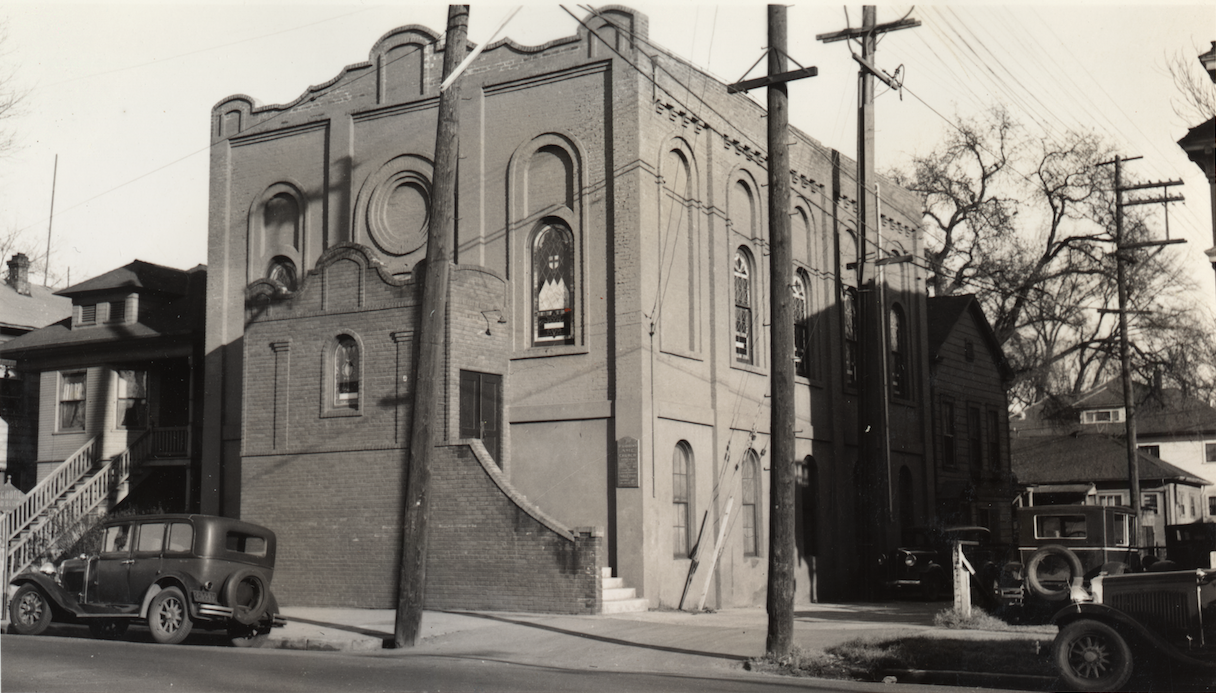
AME Church in Sacramento, California, where many Colored Conventions were held. Courtesy of California History Room, California State Library, Sacramento, California.
The men and women who built California’s African American communities and participated in the mid-nineteenth-century Colored Conventions shared histories of migration that linked them to free and enslaved Blacks in the eastern part of the United States. Some, like the 1855 California Convention President William Yates and convention delegate James Starkey, had purchased themselves from slavery before making the long migration to Gold Rush California. Some, like delegate and newspaper editor Mifflin W. Gibbs, had been prominent in abolitionist circles and fugitive slave resistance in the northeast before they headed westward. Other noted African American community leaders in California, such as Biddy Mason, arrived as enslaved laborers and fought for their freedom in California courts. Some, such as the West Indian born seaman Wellington Delany Moses, arrived in California from beyond US borders and eventually joined the California Colored Conventions movement.
All of these men and women whose lives are featured in this section of the exhibit strove to achieve economic self-sufficiency and lives of dignity within the heavily racialized climate of the new state of California. Theirs was a collective struggle that extended to finding family members lost through slave sale and purchasing family members still in bondage (see the stories of Nancy Gooch and James Starkey). They fought exclusionary policies such as the law that barred Black testimony in court and segregated municipal public transportation. While some put down deep roots in California, others– like Nancy and Peter Lester who moved with hundreds of other African Americans to British Columbia in 1858 — moved on, still looking for that promised land beyond the threat of violence and racial discrimination. Click the names above to explore.
Learn more about the men and women who built California’s African American communities by clicking a name below or in the sidebar menu: